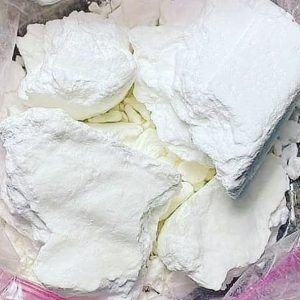
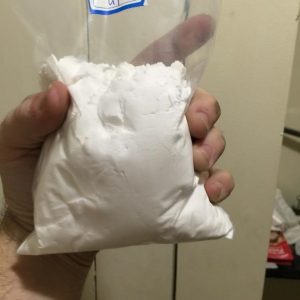
BIO COCAINE
Bio Cocaine. In the illicit drug market, language is often used as a marketing tool to inflate value and desensitize risk. One such term that has gained traction in certain circles is “Bio Cocaine.” This label is not a scientific classification but a street moniker used to describe cocaine that is allegedly more “natural,” “organic,” or of higher purity than standard street powder. It is often presented as a premium product, free from the harsh cutting agents found in lower-grade supplies. However, the term is largely a myth that masks a dangerous reality. To understand the impact of “Bio Cocaine,” one must look past the marketing hype at the perceived “positive” allure and the severe, amplified negative consequences.
The “Positive” Effects: The Allure of Purity
The primary attraction of “Bio Cocaine” is the promise of a cleaner, more potent experience. Users seek it out believing they are buying a product that is closer to the natural coca leaf, or at least free from the toxic adulterants often found in street drugs.
- The “Clean” High: Users report that the experience feels “smoother” and less “jittery” than standard cocaine. They believe the absence of synthetic stimulants (like amphetamines or levamisole) often used to cut cheaper product results in a more manageable euphoria. The high is described as intensely focused and energetic, allowing for prolonged social interaction or work without the physical crash associated with lower-quality powder.
- Status and Reliability: In drug-using circles, obtaining “Bio” is often a status symbol. It implies access to a supply chain with fewer intermediaries, theoretically meaning the drug hasn’t been stepped on multiple times. This psychological assurance—believing one is consuming a “premium” product—can enhance the subjective experience through the placebo effect.
- Anesthetic Properties: As with all high-purity cocaine hydrochloride, users experience a rapid numbing of the gums and throat. This physical sensation is often used by users to validate the product’s quality, reinforcing the belief that they have purchased a superior, unadulterated substance.
The Negative Effects: The Potency Paradox
While the “bio” label suggests safety, the reality is often the opposite. If the product is indeed higher purity, the risks are significantly amplified. Furthermore, the term is frequently a deceptive marketing ploy used to justify higher prices for products that may be just as dangerous, if not more so.
- The Danger of High Purity: The myth of “bio” cocaine creates a false sense of security. High-purity cocaine is cardiotoxic. It causes blood vessels to constrict rapidly and the heart rate to spike. If a user accustomed to diluted powder consumes a high-purity “bio” product thinking it is safe, the risk of accidental overdose is immediate. The margin between a euphoric dose and a fatal dose is dangerously thin with uncut cocaine.
- Cardiovascular and Neurological Toxicity: Whether it is called “bio” or not, cocaine is a potent vasoconstrictor. Chronic use leads to thickening of the heart muscle (cardiomyopathy), arrhythmias, and a significantly elevated risk of stroke. Neurologically, the drug floods the brain with dopamine, leading to severe depletion after the high. This results in “cocaine binges” where users consume compulsively to avoid the crushing depression and anhedonia (inability to feel pleasure) that follows.
- The “Bio” Scam: Crucially, the term “bio” is unregulated. There is no standard definition. Dealers often use the term to sell cocaine that has actually been cut with synthetic opioids (like fentanyl) or other potent stimulants to mimic a strong effect. A user thinking they are buying “natural, safe” cocaine might actually be ingesting a lethal cocktail of unknown substances.
- Psychosis and Dependence: The psychological addiction to high-purity cocaine is ferocious. The drug rewires the brain’s reward system, making natural life feel dull by comparison. Long-term use leads to paranoia, hallucinations (formication), and aggressive behavior, regardless of how “organic” the product claims to be.
Conclusion
“Bio Cocaine” is a dangerous marketing myth. By associating the drug with terms like “organic” or “natural,” dealers attempt to sanitize a substance that is inherently dangerous. The perceived “positives”—a smoother high or better quality—are vastly outweighed by the amplified risks of heart failure, stroke, and addiction. Whether it is white powder or sold as “bio,” cocaine remains a destructive force that hijacks the brain’s chemistry and endangers the user’s life. The label changes nothing regarding the potential for tragedy.
| weight | 3.5g, 7g, 10g, 25g, 50g |
|---|
Reviews
There are no reviews yet.
Related products
COCAINE
COCAINE
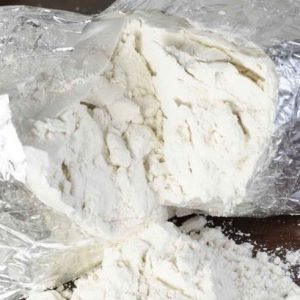
COCAINE
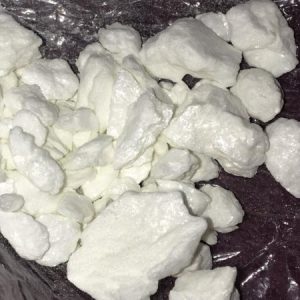
COCAINE
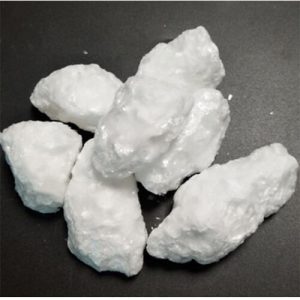
COCAINE
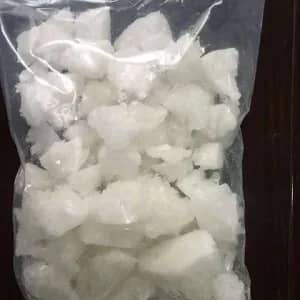
COCAINE
COCAINE
Be the first to review “BIO COCAINE”