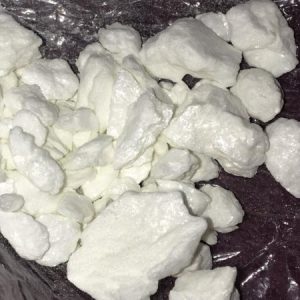
Crack Cocaine
Crack cocaine, the rock-like freebase form of cocaine, is one of the most addictive and destructive substances known to modern society. Created by processing cocaine hydrochloride with baking soda or ammonia, “crack” gets its name from the cracking sound it makes when heated. Unlike powder cocaine, which is snorted or injected, crack is smoked, allowing the drug to reach the brain almost instantly. This method of delivery creates a polarizing dichotomy between the fleeting, intense euphoria that hooks users and the devastating physical and psychological wreckage that follows.
The “Positive” Effects: The Intense Rush
It is important to clarify that the “positive” effects of crack cocaine are subjective, temporary, and almost exclusively responsible for the drug’s addictive grip. They are the bait that traps the user.
- Immediate and Intense Euphoria: The primary allure of crack is the speed and intensity of the high. When smoked, the vaporized cocaine enters the bloodstream through the lungs almost instantly, reaching the brain in seconds. This results in an instantaneous, overwhelming rush of euphoria, far more intense than snorting powder cocaine. Users describe it as a total “full-body orgasm” or a burst of supreme confidence and energy.
- Hyper-Stimulation and Alertness: Like its powder counterpart, crack acts as a powerful central nervous system stimulant. Users feel hyper-alert, mentally sharp, and physically energized for a short period. This can temporarily banish fatigue and create a sense of invincibility.
- Increased Libido: The drug often acts as an aphrodisiac, heightening sexual desire and sensation. This drives much of the compulsive sexual behavior often associated with crack binges.
- Anesthesia: Similar to powder cocaine, crack can numb the mouth and throat, which some users initially find pleasant.
However, this euphoria is notoriously short-lived, typically lasting only 5 to 15 minutes. This brevity is the engine of addiction; the crash comes so quickly that the user is compelled to smoke again and again to maintain the high, leading to binges that can last for days.
The Negative Effects: Rapid Degradation
The negative consequences of crack cocaine are profound, aggressive, and often irreversible. The speed at which addiction takes hold is significantly faster with crack than with powder cocaine, leading to a rapid downward spiral.
- Severe Addiction and Psychological Dependence: Because the high is so short and intense, crack rewires the brain’s reward pathways almost immediately. Tolerance builds rapidly, requiring larger doses to achieve the same effect. The psychological dependence is overwhelming; the drug becomes the sole focus of the user’s life.
- The “Crash” and Mental Health: When the drug wears off, the user is plunged into a severe crash characterized by extreme depression, irritability, anxiety, and exhaustion. Long-term use is strongly linked to “crack psychosis,” where users suffer from intense paranoia, hallucinations (formication, or the sensation of bugs crawling under the skin), and violent, aggressive behavior.
- Cardiovascular and Respiratory Damage: Smoking crack places immense stress on the heart and lungs. The risk of heart attack and stroke is elevated, even in young, healthy users. The lungs can suffer from “crack lung”—a severe condition characterized by chest pain, breathing problems, and fever caused by thermal injury and chemical irritation. Chronic cough and black phlegm are common.
- Physical Deterioration: Crack use suppresses appetite, leading to severe malnutrition and weight loss. Users often appear gaunt and aged beyond their years. Dental health is also ravaged; “meth mouth” is also seen in crack users due to the acidity of the smoke, poor nutrition, and teeth grinding (bruxism).
- Social and Economic Ruin: The compulsive nature of the addiction often leads users to drain their finances, lose their jobs, and engage in criminal activity or prostitution to fund the habit. The cycle of binging and crashing destroys relationships and isolates the user from society.
Conclusion
Crack cocaine offers a deceptive bargain: it trades a few minutes of supreme euphoria for a lifetime of potential suffering. The “positive” rush is a fleeting chemical illusion that vanishes almost as soon as it arrives, leaving behind a vacuum filled with paranoia, physical decay, and desperate addiction. The physiological and psychological toll of smoking the rock is devastating, making it one of the most hazardous substances in existence.
| weight | 5g, 10g, 25g, 50g |
|---|
Reviews
There are no reviews yet.
Related products
COCAINE
COCAINE
COCAINE
COCAINE
COCAINE
COCAINE
COCAINE
Be the first to review “CRACK COCAINE”