Bolivian Cocaine
Bolivian Cocaine, the world’s third-largest producer of coca, holds a unique position in the global narcotics trade. Unlike in Colombia, where coca cultivation is largely illegal, Bolivia has a legal, regulated market for coca leaves intended for traditional uses like chewing and tea. However, a significant portion of the crop is diverted into the illicit drug trade. “Bolivian cocaine,” often referred to on the street as “Bolivian flake” or “yellow flake,” has developed a specific reputation among users. As with all forms of the drug, it presents a stark duality: a subjective allure rooted in its origin story and perceived potency, contrasted against the universal, devastating physiological and societal consequences of cocaine use.
The “Positive” Effects: The Reputation of the Flake
In the black market, branding is powerful, and “Bolivian” cocaine is often marketed as a premium or “traditional” product. The “positive” effects users seek are pharmacologically similar to other cocaine hydrochloride, but they are often described through the lens of the product’s reputation.
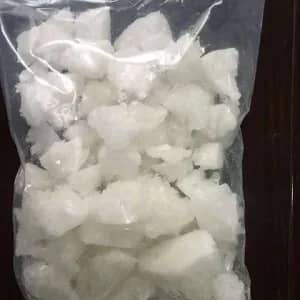
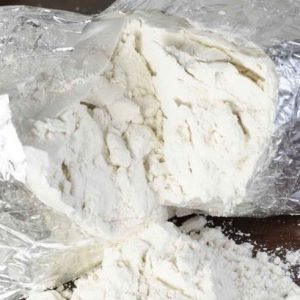
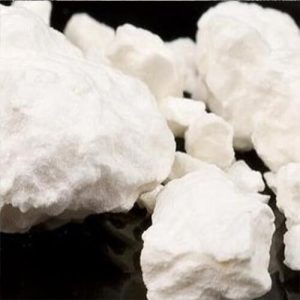
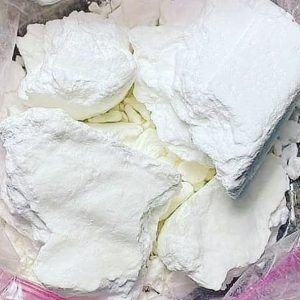
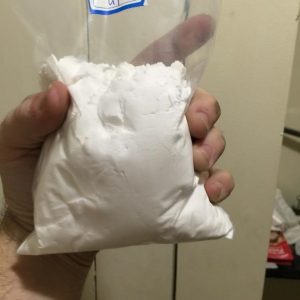
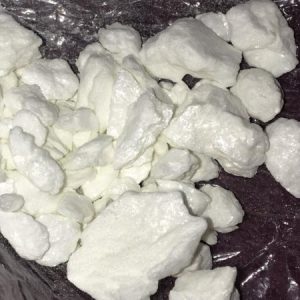
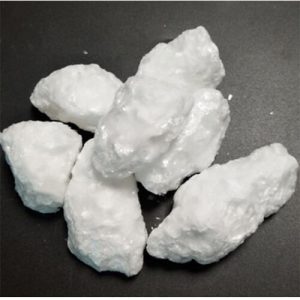
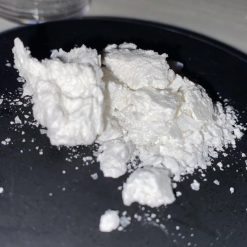
- Distinct Texture and Purity Perception: Bolivian cocaine is notorious for its “flaky” texture—it tends to crumble into soft, oily flakes rather than forming hard, compressed rocks. Users often interpret this softness as a sign of high purity and minimal cutting with synthetic adulterants. The “yellowish” hue found in some batches is often attributed to the oxidation process or the presence of residual coca leaf impurities, which many users romanticize as “organic” or “natural.”
- The Alkaloid Profile: Enthusiasts often claim that Bolivian coca produces a distinct high. Some suggest that the specific variety of the Erythroxylum coca plant grown in the Chapare region results in a different alkaloid profile, leading to a high that is described as more “mellow” or “creamy” compared to the “jittery” high associated with cocaine produced elsewhere. This perceived smoother experience is a major selling point.
- Standard Cocaine Effects: Ultimately, the active ingredient is cocaine hydrochloride. Users experience the standard rapid onset of euphoria, increased energy, heightened alertness, and a temporary suppression of fatigue and appetite. The numbing effect on the mucous membranes is also present and is frequently used as a (scientifically unreliable) quality test.
The Negative Effects: Toxicity, Instability, and Politics
While the marketing may emphasize “tradition,” the negative reality of Bolivian cocaine is identical to that of any other form of the drug, compounded by specific regional risks.
- Health Risks and “Pasta Base”: While “Bolivian flake” refers to refined powder, Bolivia is also a major producer of “Pasta Base” (also known as bazuco or cocaine paste). This is an intermediate product in the refining process, containing high levels of toxic impurities like sulfuric acid, kerosene, and lead. Whether consumed as refined powder or crude paste, the drug carries the standard risks of cardiotoxicity, vasoconstriction, strokes, and severe psychological dependence. The “softness” of the flake does not reduce the hardness of the addiction.
- Cardiovascular and Nasal Damage: The physiological toll is identical to other forms of cocaine. The drug stresses the cardiovascular system, leading to heart attacks and arrhythmias. The flaky texture of Bolivian powder is often oily, which can be particularly irritating to the nasal mucosa, leading to chronic sinusitis, nosebleeds, and potential septal perforation over time.
- Socio-Political Instability: The negative impact of Bolivian cocaine extends deeply into the country’s politics. The tension between the “Cocaleros” (coca growers) who support traditional uses and the government/police tasked with suppressing illegal trafficking creates a cycle of conflict and corruption. This dynamic hampers Bolivia’s economic development and fuels violence in rural production zones.
- Environmental Devastation: The expansion of coca cultivation in Bolivia contributes to the deforestation of the Amazon rainforest. The processing of cocaine involves dumping tons of toxic chemicals into the soil and waterways, destroying ecosystems and poisoning local communities that rely on the land for subsistence farming.
Conclusion
Bolivian cocaine, whether viewed as a “natural” flake or a dangerous vice, offers no real advantage over other forms of the drug. The perceived “positives”—the texture, the color, the supposed smoothness—are merely marketing myths that mask the biological reality of a highly addictive stimulant. The cost is paid not only by the user’s body and mind but also by the Bolivian people, who bear the burden of environmental destruction and political instability fueled by the global demand for this white powder.


Be the first to review “BOLIVIAN COCAINE”