
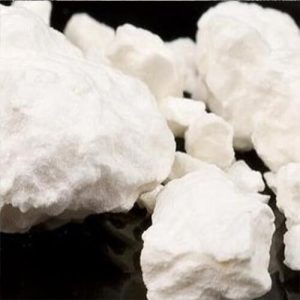
Colombian Cocaine
Colombia cocaine holds the notorious distinction of being the world’s largest producer of coca leaf and refined cocaine hydrochloride. For decades, the term “Colombian cocaine” has carried a specific weight in the global drug market, often synonymous with high potency and relative purity compared to products cut elsewhere. However, this reputation for quality creates a dangerous paradox: the very purity that makes the product desirable to users also amplifies its potential for destruction. To understand the impact of this substance, one must examine both the immediate, subjective “positive” effects that drive demand and the devastating physical and societal negatives that define its legacy.
The “Positive” Effects: The Illusion of Superiority
The demand for Colombian cocaine is driven by the user’s desire for a specific, intense pharmacological experience. The “positive” aspects are entirely subjective, short-lived, and serve as the mechanism that traps individuals in addiction.
- The Purity Myth and Potency: Users often seek out Colombian product because of its reputation for being less “stepped on” (cut) with adulterants. While this is often a myth—cocaine is frequently cut with bulking agents like levamisole or phenacetin long before it reaches the consumer—the belief in its purity drives a specific expectation. Users anticipate a cleaner, more euphoric high with less “jittery” body load.
- Euphoria and Confidence: Like all forms of cocaine, the primary draw is the rapid release of dopamine, norepinephrine, and serotonin. This creates an intense rush of euphoria, hyper-alertness, and a temporary but profound sense of self-confidence. Users feel articulate, energetic, and socially dominant.
- Anesthesia and Focus: Historically valued for its anesthetic properties, high-quality cocaine numbs the gums and throat. This numbness is often (erroneously) used by users as a field test for purity. The drug also induces a hyper-focus state, allowing users to work or party for extended periods without fatigue, masking the body’s natural need for rest.
The Negative Effects: Physical and Systemic Ruin
The negatives of Colombian cocaine are severe and multifaceted. Because the product entering the market is often high-purity hydrochloride, the risks of toxicity and addiction are significantly elevated compared to diluted street drugs.
- Cardiovascular Catastrophe: Cocaine is a cardiotoxin. It causes vasoconstriction (narrowing of blood vessels) and a spike in heart rate and blood pressure. Even in young, healthy users, this creates a high risk of heart attack, stroke, or arrhythmia. The “pure” nature of the product means the user is ingesting a potent stimulant without the “safety buffer” of cutting agents, increasing the likelihood of overdose.
- Neuropsychological Damage: Chronic use leads to “coke bugs” (formication), severe paranoia, and hallucinations. The drug depletes the brain’s dopamine receptors, making it impossible for the user to feel pleasure naturally (anhedonia). This drives a vicious cycle of bingeing to escape the crushing depression of the crash.
- Nasal and Respiratory Destruction: Snorting high-quality powder causes severe vasoconstriction in the nasal septum, leading to tissue death. Long-term users often suffer from perforated septums (a hole in the nose), chronic nosebleeds, and loss of smell.
The Negative Societal Impact: The Shadow of Production
Perhaps the most profound “negative” associated with Colombian cocaine is not found in the user’s body, but in the country of origin. The label “Colombian” is inextricably linked to violence and environmental devastation.
- Environmental Degradation: The production of cocaine is an environmental disaster. To process coca leaves into cocaine hydrochloride, traffickers use toxic chemicals like gasoline, acid, and ammonia. These chemicals are often dumped directly into rivers and rainforests, poisoning water supplies and destroying vast tracts of the Amazon rainforest.
- Violence and Instability: The cocaine trade fuels armed conflict. While the Medellín and Cali cartels of the 80s and 90s have been dismantled, the trade continues to finance dissident groups and criminal organizations. This perpetuates a cycle of violence, land displacement, and corruption that plagues rural Colombia.
Conclusion
Colombian cocaine represents a lethal duality. To the user, it promises a superior, euphoric experience driven by perceived purity. To the world, and to the country itself, it represents a catalyst for heart attacks, addiction, deforestation, and bloodshed. The “high quality” of the product serves only to deepen the addiction and accelerate the destruction, proving that there is no such thing as a safe or positive version of this harmful drug.
| weight | 3.5g, 7g, 10g, 25g, 50g |
|---|
Reviews
There are no reviews yet.
Related products
COCAINE
COCAINE
COCAINE
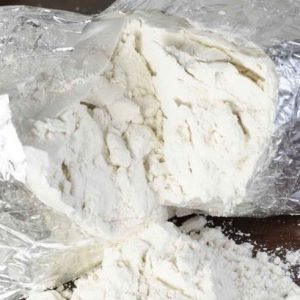
COCAINE
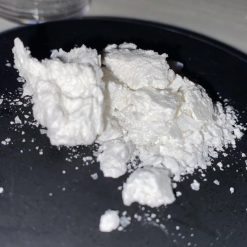
COCAINE
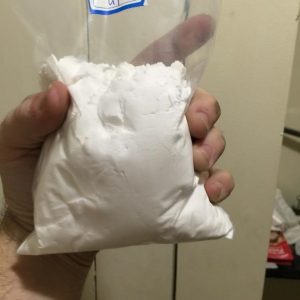
COCAINE
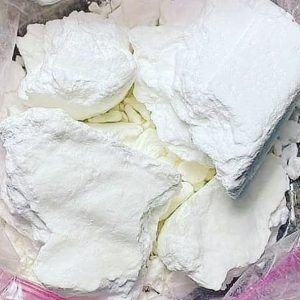
COCAINE
Be the first to review “COLOMBIAN COCAINE”