
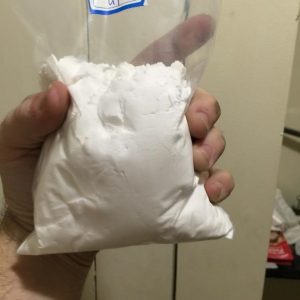
FENTANYL COCAINE
Fentanyl Cocaine. The landscape of illicit drug use has shifted dramatically in recent years with the emergence of fentanyl-adulterated cocaine. Unlike the traditional “speedball“—a deliberate combination of heroin (a depressant) and cocaine (a stimulant)—the modern presence of fentanyl in cocaine supplies is often unintentional, resulting from cross-contamination during packaging or a tactic by dealers to enhance the addictive potential of the product. This mixture creates a complex and highly dangerous pharmacological interaction. While users seek the specific effects of cocaine, the addition of fentanyl introduces a volatile element that creates a stark contrast between the perceived “positive” high and the devastating negative consequences eg: cocaine and fentanyl, how to test cocaine for fentanyl, fentanyl vs cocaine , cocaine in fentanyl.
The “Positive” Effects: The Desired High and The Trap
For the user, the intent is almost exclusively to experience the effects of cocaine, a powerful central nervous system stimulant. In its pure form, cocaine produces a rapid and intense euphoria by blocking the reabsorption of dopamine in the brain.
- Euphoria and Energy: The primary appeal of cocaine is the surge of energy, confidence, and alertness. Users feel an elevation in mood and a temporary sense of invincibility. It is a social lubricant and a performance enhancer in the user’s mind.
- The Distorted High: When fentanyl is present, the experience changes. Fentanyl is a synthetic opioid 50 to 100 times more potent than morphine. Some users may report that the fentanyl-laced cocaine produces a more intense, mellow, or “heavy” body high that they mistake for high-quality cocaine. In rare instances, users seeking a sedative effect might appreciate the combination, but for the typical stimulant user, this is a dangerous trap. The “positive” sensation of the opioid sedation masks the warning signs of a cocaine crash, but this sedation is actually the precursor to respiratory failure. The perceived “smoothness” of the high is often the body shutting down.
The Negative Effects: A Physiological Collision
The combination of a powerful stimulant and a potent depressant sends conflicting signals to the body, creating a physiological environment that is prone to sudden and fatal failure. The negative effects of this mixture are far more pronounced and dangerous than either drug alone.
- Respiratory Failure (The Silent Killer): This is the most immediate and deadly risk. Cocaine is a stimulant that increases the body’s metabolic demand for oxygen. However, fentanyl is a potent respiratory depressant that slows breathing. When combined, the brain’s drive to breathe is suppressed while the body works harder, leading to hypoxia (oxygen deprivation). Users often fall asleep or pass out (the “nod”) and simply stop breathing.
- Cardiovascular Collapse: Cocaine constricts blood vessels and spikes heart rate and blood pressure. Fentanyl can also cause bradycardia (slow heart rate) and vasodilation. This places immense strain on the cardiovascular system. The heart is being told to race and slow down simultaneously, which can lead to arrhythmias, heart attack, or stroke.
- Unpredictability and Overdose: Because fentanyl is lethal in microgram amounts, a “hot spot” (a small area with high concentration) in a bag of cocaine can kill a user instantly. There is no safe dosage. Users with no opioid tolerance are incredibly susceptible to fentanyl poisoning.
- The “Speedball” Withdrawal: The combination creates a complex withdrawal syndrome. As the cocaine wears off, the user may feel exhausted and depressed (crash), but as the fentanyl wears off, they may experience acute opioid withdrawal symptoms (bone pain, vomiting, anxiety). This pushes the user to use more drugs to alleviate the discomfort, increasing the cycle of addiction and overdose risk.
Conclusion
While the allure of cocaine remains its energetic euphoria, the contamination with fentanyl has turned recreational use into a game of Russian roulette. The “positive” effects the user seeks are rapidly overshadowed by the lethal reality of opioid-induced respiratory depression. The mixture creates a pharmacological paradox that the human body cannot sustain, making fentanyl-adulterated cocaine one of the most significant public health threats in the current drug crisis.
| weight | 3.5g, 7g, 10g, 25g, 50g |
|---|
Reviews
There are no reviews yet.
Related products
COCAINE
COCAINE
COCAINE
COCAINE
COCAINE
COCAINE
COCAINE
Be the first to review “FENTANYL COCAINE”