
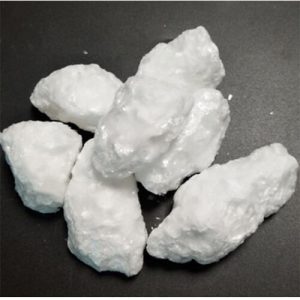
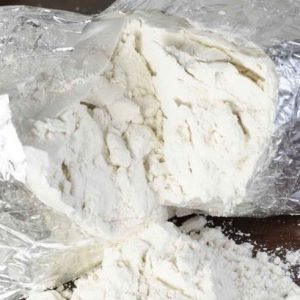
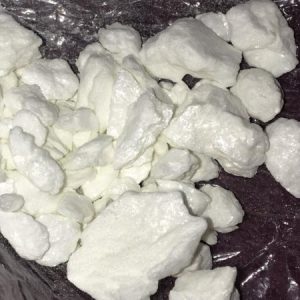
FLAKE COCAINE
Flake cocaine is a street term for high-purity cocaine hydrochloride, typically appearing as off-white, crystalline flakes or rocks. As a powerful central nervous system stimulant, cocaine produces a complex array of physiological and psychological effects. To understand the impact of this substance, one must examine both the short-term subjective experiences—often described by users as “positive”—and the severe, long-term negative consequences that invariably follow. we have other flake cocaine like frosted flakes cocaine, cocaine frosted flakes, buy flake cocaine, blue flake cocaine.
The “Positive” Short-Term Effects (Mechanism of Action)
The primary reason cocaine is used is its immediate and intense impact on the brain’s reward system. Chemically, cocaine functions by blocking the reabsorption (reuptake) of dopamine, norepinephrine, and serotonin into the neurons that released them. This causes a massive accumulation of these neurotransmitters in the synapse, leading to amplified signal transmission.
- Euphoria and Confidence: The most sought-after effect is a intense rush of euphoria. Users report feeling an overwhelming sense of energy, elation, and mental clarity. This is often accompanied by a temporary surge in self-confidence and sociability, making the user feel articulate, powerful, and socially uninhibited.
- Alertness and Energy: As a stimulant, flake cocaine eliminates fatigue and increases wakefulness. Users often experience a hyper-focus state, feeling physically capable and mentally sharp. This is why it has historically been abused by individuals needing to stay awake for long periods.
- Anesthesia: Cocaine possesses distinct anesthetic properties (vasoconstrictor and numbing agent). Medically, it was the first local anesthetic used in surgery. In a recreational context, this results in a numbing sensation in the mouth and throat, which is often used by users to gauge the purity of the substance.
- Suppressed Appetite: The drug acts as an appetite suppressant, which can lead to rapid, albeit unhealthy, weight loss.
It is crucial to note that these “positives” are illusory and fleeting. The euphoria typically lasts only 15 to 30 minutes, leading users to consume repeated doses in a “binge” pattern to maintain the high.
The Negative Effects: Physical and Psychological Devastation
While the initial high may be stimulating, the negative effects of cocaine are profound and dangerous, affecting almost every organ system.
- The Crash and Addiction: The immediate aftermath of the high is known as the “crash.” As dopamine levels plummet, the user experiences exhaustion, irritability, anxiety, and profound depression. This chemical instability creates a powerful cycle of addiction, where the user takes the drug not just to get high, but simply to feel “normal” again.
- Cardiovascular Risks: Cocaine is a cardiotoxin. It dramatically increases heart rate and blood pressure while constricting blood vessels (vasoconstriction). This combination significantly increases the risk of heart attack, stroke, and cardiac arrhythmia, even in young, healthy individuals with no pre-existing heart conditions.
- Neurological and Psychological Damage: Chronic use can lead to severe psychological disturbances. Users often experience paranoia, hallucinations, and “cocaine psychosis,” characterized by losing touch with reality. Long-term use can permanently damage the brain’s reward system, making it difficult for the individual to feel pleasure from natural rewards (anhedonia).
- Physical Deterioration: Snorting flake cocaine damages the mucous membranes of the nose, potentially leading to septal perforation (a hole in the cartilage of the nose). Smoking “crack” cocaine (the freebase form) causes severe lung damage and chronic cough. Furthermore, the appetite suppression can lead to malnutrition.
- Social and Economic Ruin: Beyond the physiological toll, addiction often leads to the collapse of personal relationships, loss of employment, and financial ruin, as the expensive habit takes priority over all other responsibilities.
Conclusion
In summary, flake cocaine presents a stark dichotomy. On one side, it offers a temporary, chemically induced state of euphoria, energy, and confidence. On the other, it delivers a heavy toll of cardiovascular stress, psychological instability, and addiction. The “positive” effects are merely a biological trap—a short-lived dopamine spike that inevitably leads to severe physical and mental decline. The transient pleasure it provides comes at an exorbitant cost to the user’s health and future.
| weight | 3.5g, 7g, 10g, 25g, 50g |
|---|
Reviews
There are no reviews yet.
Related products
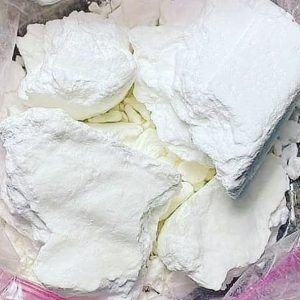
COCAINE
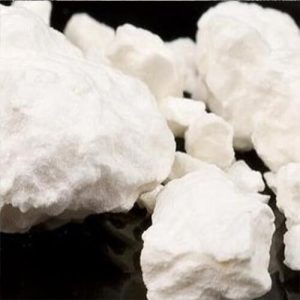
COCAINE

COCAINE
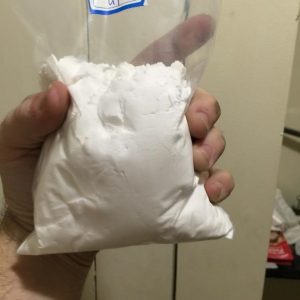
COCAINE
COCAINE
COCAINE
COCAINE
Be the first to review “FLAKE COCAINE”